Just Engaged? 8 Decisions to Make Before Booking Your Wedding

One minute you are sharing the engagement news. The next, somebody wants to know the date, where the wedding will be and whether children are invited.
It is completely fine if your only answer so far is: “We’re getting married.”
You do not need to choose a venue, book a photographer and design the table plan during your first weekend as an engaged couple.
In fact, making a few decisions before you start booking anything can save you from having to undo expensive ones later.
The useful first steps are not about choosing flowers or deciding what the invitations will look like. They are about working out what matters to you, what you can realistically spend, roughly how many people you want there and what kind of wedding those decisions actually allow.
Start with these eight.
1. Agree What Actually Matters Before Looking at Venues
Before opening thirty venue tabs, each of you should write down the three things you most want from the wedding.
Be specific.
“A relaxed wedding” can mean completely different things to two people.
One of you might picture twenty-five people eating around a long table in a restaurant. The other may be imagining a country house where everyone stays for the weekend.
Neither is wrong. But discovering that difference after paying a venue deposit is not ideal. Think about what you want the day to feel like and what needs to happen for that feeling to exist.
If a long meal with your closest people matters most, dining space and food should be high on your list of venue questions.
If the dance floor is the part you are already excited about, room layout, live-music restrictions and finish times suddenly become important.
If having everybody stay nearby matters, accommodation deserves attention before you fall in love with a venue in the middle of nowhere.
Keep the final list short.
You will come back to it later when an appealing extra starts competing with something you care about more.
2. Decide What You Can Spend Before Paying a Deposit
Wedding budgets are much easier to manage before money starts leaving the account.
Agree on an amount you can comfortably commit rather than starting with a collection of things you want and working backwards.
If family members have offered to contribute, clarify what that actually means.
How much are they contributing?
When will the money be available?
Is it a gift, or are there expectations attached to how it is spent?
Also decide what your wedding budget includes.
Is the honeymoon part of it?
Are outfits included?
What about rings bought after the proposal?
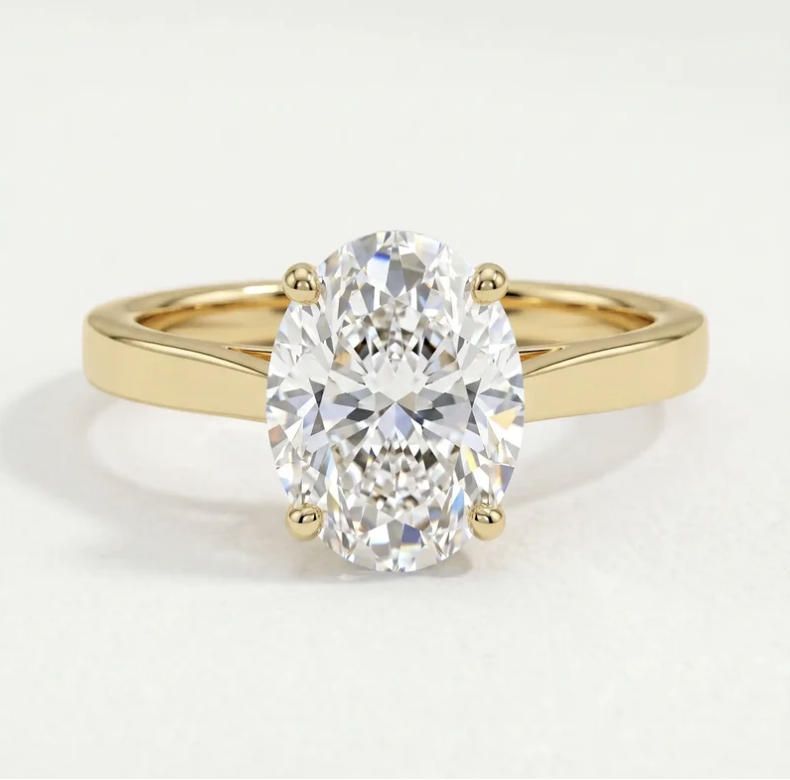
If you are choosing the engagement ring together, give it its own budget rather than allowing the cost to disappear into the wider wedding total. When comparing lab grown diamond engagement rings, look at the full price of your preferred stone, setting and metal rather than relying only on a collection's starting price.
Once that money has been allocated, remove it from what is available for venue and supplier bookings.
Track Estimates, Quotes and Actual Costs Separately
At the start, most of your numbers will be estimates.
That is fine.
The important thing is not to mistake an estimate for an actual quote—or a quote for the amount you eventually pay.
A simple budget might include:
● estimated cost;
● quoted cost;
● deposit paid;
● final balance;
● payment date.
And leave some money unallocated.
There will almost certainly be costs you have not thought about yet.
Payment timing matters too. Three perfectly affordable balances can become much less comfortable when they all fall due in the same month.
3. Write the Guest List Before Guessing Your Venue Size
“We’ll probably invite about 80 people” sounds useful until you actually write down the names. Make a working list.
Decide how you are approaching partners, children and evening invitations, then count the different parts of the day separately.
For example:
70 guests for the ceremony and meal
plus
20 additional evening guests
means you need to think about a venue accommodating 90 people later in the day, not simply a “70-person wedding”.
That distinction matters when you begin asking venues about capacity.
Ask about the room arrangement you would actually use too.
A room that technically holds 100 people may feel completely different once you add dining tables, a dance floor, a band and accessibility requirements.
This is still a draft list.
You are allowed to change it.
If the numbers push the wedding beyond your budget, work through the format and guest list together before making promises.
It is considerably easier to adjust a private spreadsheet than explain later why somebody's invitation has disappeared.
4. Agree the Area and Date Range Before Booking Viewings
You do not necessarily need an exact wedding date before contacting venues.
You do need enough information to search sensibly.
Start with a preferred season, year and general location.
Then think about what those choices mean for the people you most want there.
How far will guests need to travel?
Is accommodation nearby?
Are you happy travelling between the ceremony and reception, or would you prefer everything in one place? Are there people whose availability you need to check before committing?
If your dates are flexible, ask venues about several options.
A weekday or off-season date may change the venue quote, but price is not the only consequence. Guests may need additional time off work or have more complicated travel arrangements.
And if you are imagining an outdoor ceremony, look at the wet-weather option with exactly the same attention as the outdoor space.
Ask when the decision to move inside is made, who makes it and what the alternative setup actually looks like. Rain plans deserve more than a sentence in the brochure.
5. Send Every Venue the Same Brief
Venue comparisons become difficult when every enquiry asks a different question.
Create one short brief and send essentially the same information to each venue.
Include:
● your preferred date or date range;
● approximate guest numbers for the day and evening;
● the parts of the wedding you want in one place;
● anything central to your priorities;
● what you need the quote to include.
For example:
“We're looking for a Saturday in autumn, with approximately 70 guests for the ceremony and meal and another 20 in the evening. We'd like the ceremony and reception in one place and space for a live band. Please confirm suitable dates and provide a quote covering venue hire, food and drinks, with any additional charges shown separately.”
Add your year and realistic budget range before sending it.
Now you have something you can compare.
Compare What Is Included, Not Just the Headline Price
A cheaper venue is not necessarily cheaper if the quote excludes half the things another venue includes. Check:
● furniture;
● staffing;
● setup;
● clearing away;
● catering;
● drinks;
● equipment;
● ceremony fees;
● accommodation where relevant.
If something is unanswered, write “to confirm” rather than assuming it is included.
For a hire-only venue, add the costs you would need to source separately before comparing it with a venue offering a more inclusive package.
And when you visit, walk through the day from a guest's perspective.
Where do people arrive?
Where do they wait?
Who moves furniture between different parts of the day?
Where does the band load in?
When can suppliers access the venue?
The beautiful ceremony room matters. So does everything required to make the day happen around it.
6. Decide Who Owns Each Planning Job
“Planning the wedding together” sounds fair.
In practice, it can still result in one person remembering every deadline, chasing every supplier and asking whether the other person ever heard back from the photographer.
Give individual tasks an owner.
And make the task specific.
“Photography” is not a task.
“Contact three photographers for availability and full quotes by Sunday” is.
The person responsible for an enquiry should generally handle the follow-up too, with both of you making the final decision before committing.
Otherwise, the invisible work of remembering what needs chasing can quietly become one person's job. Keep your checklist, quotes and supplier details somewhere you can both access.
The perfect planning system does not matter.
Being able to find the latest answer does.
7. Work Out Which Suppliers Need Booking First
Not every wedding supplier needs booking immediately.
Once the venue, date and ceremony arrangements work together, identify the suppliers that matter most to the wedding you are planning.
Go back to the priorities from step one.
If a particular photographer is one of the things you care most about, check availability early.
If having a live band is central to the evening, do not leave that conversation until every other detail has been decided.
Ask suppliers about their actual lead times rather than relying on a generic wedding-planning timeline.
Made-to-order outfits, commissioned details and other bespoke work may need significantly more time than something readily available.
Also avoid finalising quantities before you have the information that determines them. Guest numbers affect catering.
Room layout affects stationery.
The ceremony arrangements may affect flowers or transport.
You can collect ideas whenever you like.
That does not mean every saved picture needs to become an order.
8. Finish Every Planning Session With the Next Decision
Wedding planning can very easily become an activity with no finishing point.
You open a venue email while eating breakfast, save a florist on your lunch break and somehow end the evening discussing chairs.
Give the planning a beginning and an end.
Set a regular time to look at replies and make decisions together.
At the end, agree what happens next.
Not:
“Sort venue.”
But:
“Alex will email venues A and B about their October dates. Sam will confirm whether the quoted price includes chairs and staffing. We'll review both replies on Thursday.”
Then stop.
You are allowed to have dinner without discussing wedding logistics.
Your First Planning Session Doesn't Need to Plan the Wedding
A successful first session could produce just four things:
Your priorities
What matters most?
Your working budget
What can you realistically spend?
Your approximate guest count
How many people are you planning around?
Your preferred area and season
Where and roughly when?
That is enough information to start useful venue conversations.
You do not need a seating plan.
You do not need to know which flowers will be on the tables.
You definitely do not need to have chosen napkins.
If the first enquiries reveal that your original idea and your budget do not quite fit together, that is useful information.
Change the plan while there is still room to change it.
Make the Decisions That Unlock the Next Ones
The goal at the beginning of wedding planning is not to plan the whole wedding.
It is to make enough decisions that the next one becomes obvious.
Once you know what matters to you, what you can spend, roughly who is coming and where you would like the wedding to happen, you have enough information to start speaking to venues properly.
Once the venue and date are confirmed, the supplier timeline becomes clearer.
Once the guest list settles, other decisions become easier too.
You do not need to solve everything at once.
Make the decisions that unlock the next ones, keep track of what you have agreed, and let the rest wait its turn.