How to Transform Large Event Spaces into Immersive Wedding Experiences
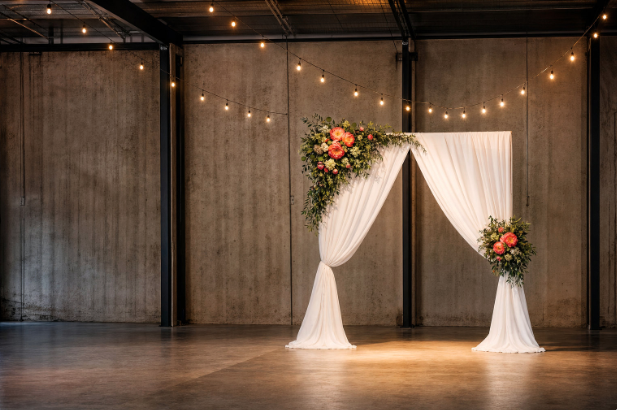
Large event spaces offer flexibility and scale but require careful planning to create a truly immersive wedding experience. Couples often favour blank-canvas venues, seeking personal touches and memorable details that reflect their vision. Smart design choices can provide guest comfort, seamless flow, and meaningful impact without overwhelming the senses.
Today’s couples often seek weddings that feel both personal and spectacular, which has contributed to the popularity of transformable blank-canvas venues. These spaces encourage creativity but also present challenges: without a clear design direction, they may seem impersonal or disjointed. Manchester wedding venues frequently illustrate these trends, showing how a considered approach can create a cohesive atmosphere. As weddings increasingly emphasise guest comfort alongside immersive details, understanding how to transform large event spaces has become an important skill for planners.
Assessing venue features for design foundations
When working with a large event space, the first task is to evaluate architectural features that can shape your design. Ceiling height will determine if you can include dramatic ceiling installations or require more grounded decor. Natural light levels influence colour palettes and may affect decisions about lighting schemes or floral arrangements.
Power access points are a practical but significant factor. Sufficient outlets are needed for lighting, catering, entertainment, and climate control equipment. The venue’s acoustics should also be reviewed early, as hard surfaces and high ceilings may create echoes that can impact both music and speeches.
Identifying existing focal points, such as grand staircases or unique architectural details, offers opportunities to anchor the design. Rather than covering these features, you may highlight them to guide guest movement and create a unified feel. Taking these factors into account provides the foundation for an immersive and fluent guest experience.
Crafting a seamless guest journey on the day
For a wedding to feel immersive, each stage of the event can flow smoothly into the next. Consider how guests will enter, where they gather for the ceremony, and the ways they move on to the drinks reception, dinner, and evening celebrations. This planning extends beyond merely dividing the room; it supports a gradual and logical progression throughout the day.
Small steps such as discreet signage, welcoming installations, or designated hosts may help guests navigate transitions more easily. For instance, large venues such as Victoria Warehouse can benefit from clear placement of visual cues that make the guest journey intuitive. This approach allows guests to focus on the occasion rather than logistics.
Careful scheduling of each phase supports pacing and helps minimise delays. Planning routes and space with guest numbers and accessibility in mind ensures comfortable movement. A well-planned guest journey can strengthen the event’s overall sense of connection and enjoyment.
Defining social zones through layout and styling
The size of blank-canvas venues often makes zoning essential. Strategic furniture placement, draping, and partitions can break up expansive spaces into areas for ceremony, dining, dancing, or relaxing. Distinct zones clarify each area’s function while maintaining visual consistency across the entire venue.
Keeping sightlines open helps avoid isolating guests or making the layout confusing. Thoughtful arrangement of decor elements, such as feature bars or floral installations, creates natural focal points and draws guests to various areas. When routes are visible and straightforward, interaction between zones happens more naturally.
Creating social zones requires balancing visual appeal with practical concerns such as safe circulation and fire regulations. Each area should be distinct yet harmonised, reinforcing the event’s theme and supporting the sense of immersion.
Lighting, sound, and design cohesion for immersion
Lighting is one of the most powerful tools in event design, able to define atmosphere and elevate decor. A layered approach includes ambient, task, and accent lighting to add depth and flexibility. Warm hues can promote intimacy, while cooler tones may highlight modern accents, and dimmers enable the mood to change as the event unfolds.
Spotlighting important features, such as the ceremony backdrop or cake display, can guide focus and mark key moments. Lighting effects often benefit from subtle changes in sync with the event schedule. Consistent lighting helps reinforce the chosen colour scheme, preventing visual clashes and supporting the venue’s cohesive look.
Acoustic management is also important in large spaces. Using absorbent materials or softer furnishings helps reduce echoes, improving speech clarity and music quality. Correct speaker setup ensures background music enhances the setting without overpowering conversation or creating inconsistent sound levels throughout the venue.
Bringing cohesion to elements such as colour, floral arrangements, textures, and signage results in a venue that feels thoughtfully designed from entrance to exit. Applying a consistent palette to linens, flowers, and stationery helps unify the event and strengthen the storytelling aspect. Each component should work with the others to provide a pleasing and balanced environment.
Striking a balance with immersive details and logistics
Immersive details can enhance a personal atmosphere, but an excess can make large spaces feel cluttered or complicate the guest experience. Features like ceiling installations, subtle scent diffusers, interactive guestbooks, or well-designed lounges add to the experience when they are chosen intentionally and fit with the event’s flow.
Placing statement bars within key social zones can provide both visual interest and practical benefit, supporting good circulation and ambience. The goal is to select details that provide both impact and function, contributing to special moments without disrupting the event’s organisation or comfort.
Behind the scenes, logistics such as supplier access, quick venue turnarounds, and contingency planning for weather are essential to prevent disruption and protect guest comfort. Accessibility, legible wayfinding, temperature regulation, and varied seating options can all help maintain enjoyment.
A clear checklist may help couples establish a welcoming and immersive setting: evaluate venue features, guide guest flow, plan zones, layer lighting and sound, create visual cohesion, focus immersive details on purpose, and build strong logistical plans. Carefully considered design and planning can help any large venue become a memorable setting for an engaging wedding celebration.
